
Rottweiler · Breed Guide
Rottweiler Breed Information
An honest, in-depth guide to the breed – written to help you decide, not just to sell you a puppy.
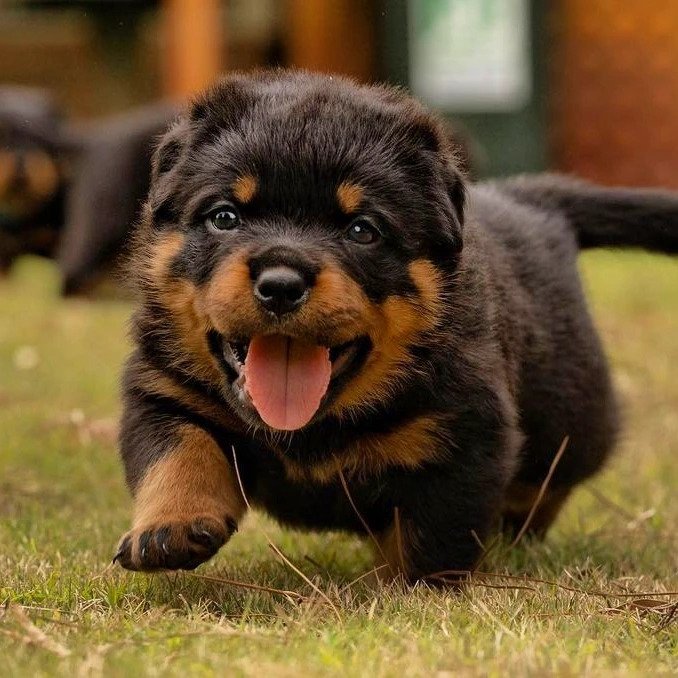
This Rottweiler breed information guide is written for South African owners, covering temperament, size, health testing, exercise and training. Our Rottweilers are KUSA-registered and hip and elbow-graded, and we deliver puppies to all nine provinces.
This Rottweiler breed information guide covers temperament, size, health, training and care so South African families can decide if the Rottweiler is the right guard dog. When you are ready, browse our available Rottweiler puppies or read about KUSA registration.
History & Origin
The Rottweiler is one of the oldest surviving dog breeds, tracing its roots to the drover dogs that accompanied Roman legions across the Alps, herding cattle and guarding camps. In the German town of Rottweil these dogs became indispensable to butchers and cattle merchants – driving stock to market and guarding the day’s takings, earning the name “Rottweiler Metzgerhund” (butcher’s dog of Rottweil).
When cattle-driving was outlawed and railways replaced the drover, the breed nearly vanished. Its intelligence and working ability saved it: the Rottweiler became one of the first breeds selected for police and service work in the early 1900s, and the modern standard – maintained internationally under FCI standard No. 147 – still prizes the same balance of strength, endurance and calm nerve.
Temperament & Character
A correct Rottweiler is self-assured, steady and fearless – never nervous, never needlessly aggressive. It watches its surroundings with a calm alertness and reacts with great attentiveness only when a genuine threat appears. With its own family the breed is famously affectionate: many owners describe a 50 kg dog convinced it is a lapdog.
This is a thinking guardian, not an automatic one. Rottweilers assess before they act, which is exactly what makes them safe, reliable family protectors when properly bred, socialised and trained. What they cannot tolerate is isolation – a Rottweiler shut away from its family will not thrive.
Size & Appearance
The Rottweiler is a medium-large, robust dog – neither coarse nor light – with a compact, powerful build that promises strength, agility and endurance. Males stand 61-68 cm at the withers (ideal 65-66 cm) and weigh approximately 50 kg; females stand 56-63 cm (ideal 60-61 cm) at approximately 42 kg.
The coat is short, hard and dense: always black, with rich, clearly defined markings of deep tan to mahogany on the cheeks, muzzle, throat, chest, legs and above the eyes. The broad head, well-muscled hindquarters and effortless trot are hallmarks of correct type.
Health & Testing
Like most large breeds, the Rottweiler can be affected by hip and elbow dysplasia, and the breed carries specific risks for JLPP (a fatal inherited neurological condition in puppies), heart conditions such as aortic stenosis, and certain cancers in later life. None of this should frighten a well-informed buyer – it should simply set the standard a breeder must meet.
We meet that standard by breeding only from KUSA-registered stock with official hip and elbow grading and DNA results showing JLPP-clear status (or matings scientifically planned so no affected puppy can ever be produced). Ask to see the certificates – we expect you to.
Care, Grooming & Exercise
The Rottweiler’s short double coat is wonderfully low-maintenance: a weekly brush and the occasional bath keep it gleaming, with heavier shedding twice a year. Far more important than grooming is exercise and engagement – a daily walk, play sessions and work for the mind.
Feed a quality large-breed diet and keep your Rottweiler lean, especially through the fast-growing puppy months; controlled exercise while joints develop is one of the best investments you can make in your dog’s long-term soundness.
Training & Socialisation
Rottweilers are ranked among the most trainable of all breeds – they genuinely enjoy having a job. Obedience foundations should begin the week your puppy arrives, built on reward, consistency and calm leadership. Harsh handling is both unnecessary and counterproductive with this sensitive, intelligent breed.
Socialisation is non-negotiable: expose your puppy positively to people, dogs, places and situations throughout the first year. A well-socialised Rottweiler is discerning – confident everywhere, reactive only when it truly matters.
An Honest Word
Is the Rottweiler Right for You?
The Rottweiler suits an owner who wants a devoted family guardian and is willing to invest in training, socialisation and daily involvement. It is a breed for people who enjoy their dog’s company – not a dog to be left alone in a yard.
Choose a Rottweiler if you can offer secure fencing, consistent leadership and time. Think twice if you are away from home for long hours, want an independent outdoor-only dog, or are not prepared for the responsibility that comes with owning a powerful breed. If you are unsure, contact us – we would rather help you choose correctly than sell you the wrong puppy.
Ready When You Are
Enquire About a Rottweiler Puppy
Litters are planned carefully and spaces fill quickly. Tell us what you are looking for and we will keep you informed.